Solar panels on flat roofs
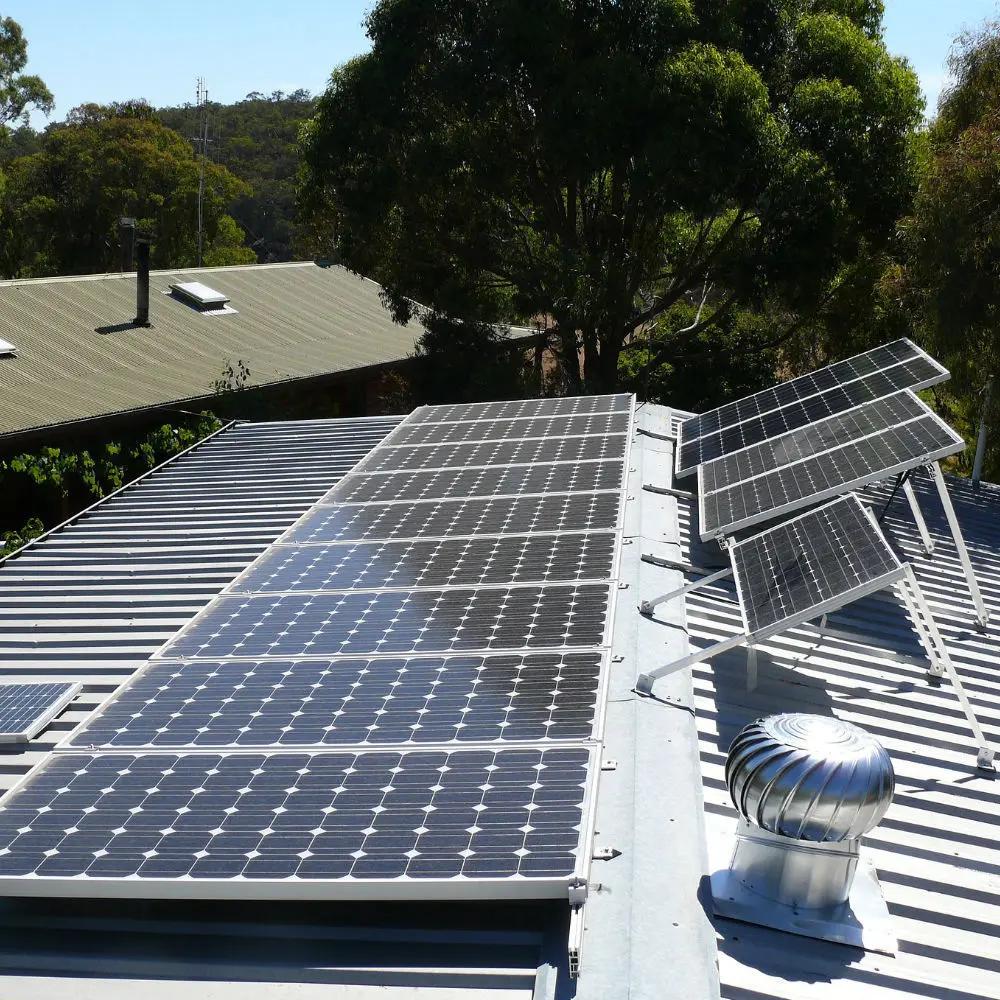
Ballasted tilt-frame mounting systems that sit on the roof without piercing the membrane. We work alongside your PV installer to keep both the flat roof warranty and the solar panel warranty intact — and ensure your roof is up to the loading and condition needed before any panels go on.
Why mounting matters
Solar PV is a great match for a flat roof. The optimum panel tilt for UK latitudes is around 30–35 degrees, which a tilt frame on a flat roof delivers perfectly. There's no shading to design around (usually), no awkward integration with tile courses, and the panels sit in plain view for cleaning and inspection. What you need to get right is the mounting.
The wrong way: bolt the panel rails directly through the flat roof membrane into the deck below. Every fixing is a potential leak. Most PV installers don't have flat roofing experience and don't know what they're doing to your membrane warranty. We've come behind dozens of panel installs to fix the leaks caused by penetrating mounts.
The right way: ballasted tilt frames. The mounting system sits on rubber feet that distribute the weight across the roof. Ballast blocks (typically concrete pavers, around 25kg per panel) hold the array in place against wind uplift. No penetrations of the membrane, no compromise to the roof warranty, full reversibility if the panels ever need to come off.
The roof check before panels go on
Before any solar install on a flat roof, three things need verifying:
- Membrane condition. The roof should have at least 15 years of life left in it. There's no point putting a 25-year solar array on a roof that needs replacement in three years — you'd have to take it down to do the re-roof, at significant cost.
- Structural loading. Ballasted arrays add around 25kg/m² distributed load to the roof. Most domestic flat roof decks built since 1965 can handle that, but the calculation should be done — particularly on older garage roofs and dormer extensions.
- Wind uplift design. The ballast weights vary depending on the local wind exposure (Newcastle being relatively exposed compared to inland), edge zone vs central zone of the roof, and array size. A reputable PV installer will design this properly.
For a small surcharge we'll provide your PV installer with a written roof condition report and a confirmed remaining lifespan estimate. Most reputable PV installers ask for this anyway before warrantying their work.
If your roof's not ready
If we look at your roof and it's nearing end of life, the right answer is to re-roof before the panels go on. We'll quote both jobs — the re-roof and any membrane prep for the PV install — separately so you can see the full picture. Typically the additional cost of doing the re-roof first is far less than the cost of dismantling and reinstating a panel array later.
For an EPDM re-roof on a typical 30m² flat roof with a planned solar install on top, we'd usually upgrade the membrane to a thicker grade (1.5mm rather than 1.2mm) and use a higher-grade adhesive system. Extra cost is small; difference in working life is substantial. The roof will then comfortably last 30+ years under the panels.
Who we work with
We've worked alongside most of the established North East PV installers and have good relationships with several. If you've already chosen a PV installer, we'll happily liaise with them directly. If you haven't, we can recommend a few who understand flat roofs and design ballasted systems properly.
What we won't do is install panels on a roof against the membrane manufacturer's specification just because the PV installer "always does it that way." If the PV installer insists on penetrating mounts on an EPDM roof, we'll politely decline the work — the roof warranty is what you'll be relying on in 15 years' time, not a verbal assurance.
Maintenance after install
The panels themselves are basically maintenance-free. The roof beneath them needs the same care any flat roof needs — keep outlets clear, wash off moss every few years, inspect annually. The complication is that the panels make the membrane harder to inspect. We recommend a 5-yearly roof inspection on PV-equipped flat roofs, partial-strip if needed to look beneath the array. We'll do this for a small flat fee.
Other things we install & repair
Leak Diagnosis & Repair
Tracking the leak path properly, then patching it permanently.
Read more →Felt Roofing
Three-layer SBS torch-on felt for awkward shapes and tight detail.
Read more →Skylights & Rooflights
Kerb-mounted Velux, Fakro and Keylite flat-glass rooflights.
Read more →GRP Fibreglass
Hand-laminated, walkable, takes paint or anti-slip aggregate.
Read more →Commercial Roofs
Single-ply for industrial units, schools and retail.
Read more →Concrete Flat Roofs
Refurbishing post-war concrete decks with overlays.
Read more →Get a free written quote — no charge, no obligation
Tell us about your flat roof. We'll arrange a site visit, give you a fixed-price written quote, and explain the options in plain English.